
Online customer service consultation


Email consultation

Leave a message to willyb@xm.com
Reply as soon as possible.

EURUSD
Euro vs U.S. Dollar

US500
S&P 500 (US500)

GOLD
Gold

COFFEE
US Coffee

Apple
Apple (AAPL.OQ)

Finance Magnates 颁发

Finance Magnates 颁发

Capital Finance International Magazine (CFI.co) 2024年颁赠

COLWMA 2024年颁赠

荣获World Finance Forex Awards 2023最佳外汇客户服务奖

荣获World Finance Forex Awards 2023欧洲最佳外汇经纪商奖

荣获World Finance Forex Awards 2023澳大拉西亚最佳外汇经纪商奖

荣获World Finance Forex Awards 2023拉丁美洲最佳外汇经纪商奖

荣获World Finance Forex Awards 2023中东最佳外汇经纪商奖

CFI.co于2023年颁赠

荣获2023年City of London Wealth Management Awards

荣获2022年埃及金融博览会颁赠

荣获2022年City of London Wealth Management Awards

CFI.co于2022年颁赠

荣获Global Forex Awards 2022 — 零售外汇 颁赠
2021年迪拜外汇博览会获颁赠

Ultimate Fintech 2021年颁赠

荣获2021年City of London Wealth Management Awards

FX168于2020年12月颁赠

荣获Global Business Awards 2020

荣获2020年City of London Wealth Management Awards

Capital Finance International Magazine (CFI.co)颁赠

Capital Finance International Magazine (CFI.co)颁赠

荣获2019年City of London Wealth Management Awards

Shares Magazine 授予 UK Forex Awards 2018

Capital Finance International Magazine (CFI.co)颁赠

Capital Finance International Magazine (CFI.co)颁赠

2017年伦敦财富管理奖

2016最佳本土 客户服务

中东和北非地区(MENA)增长最快的经纪商
2015年最佳外汇科技提供商
2014年最佳外汇科技提供商

2014年最佳外汇科技提供商

荣获 The Trading Show 2024年非洲 Africa Fintech 峰会颁赠

荣获2024年中东地区 Brokersview 颁赠
荣获2024年中东地区 Brokersview 颁赠

荣获2024年阿曼 Smart Vision 峰会颁赠

荣获2024年迪拜外汇博览会颁赠

荣获2024年迪拜 Forex Traders Summit 颁赠

2024年埃及 Smart Vision 峰会颁赠

投查查于2024年颁赠

Capital Finance International Magazine (CFI.co) 2024年颁赠

CFI.co于2023年颁赠

CFI.co于2023年颁赠

交易社区平台FOLLOWME于2022年颁赠
2022年迪拜Forex Expo获颁赠
2022年迪拜Forex Expo获颁赠

荣获Global Forex Awards 2022 — 零售外汇 颁赠

CFI.co于2022年颁赠

CFI.co于2022年颁赠

World Finance Forex Awards 2022 颁发

World Finance Forex Awards 2022 颁发

World Finance Forex Awards 2022 颁发

World Finance Forex Awards 2022 颁发
交易社区平台FOLLOWME于2021年颁赠

2021年埃及Smart Vision Investment Expo博览会获颁赠

CFI.co于2021年颁赠

CFI.co于2021年颁赠

荣获Global Forex Awards 2021 — 零售外汇 颁赠

荣获Global Forex Awards 2021 — 零售外汇 颁赠

World Finance 2021颁发

World Finance 2021颁发
FOLLOWME于2021年颁赠

Global Forex Awards 2021 — B2B 颁赠

Global Forex Awards颁赠

Global Forex Awards颁赠

CFI.co于2020年颁赠

CFI.co于2020年颁赠

荣获Global Business Awards 2020

World Finance Magazine 颁赠
World
Finance Forex Awards 2020

World Finance Magazine 颁赠
World
Finance Forex Awards 2020
FOLLOWME交易社区授予

Global Forex Awards颁赠

Global Forex Awards颁赠

FinTech Age Awards颁发

World Finance Magazine 颁赠
World
Finance Forex Awards 2019

World Finance Magazine 颁赠
World
Finance Forex Awards 2019

荣获 World Finance Forex Awards 2018 颁赠

荣获2018年埃及金融博览会颁赠

荣获 Shares Magazine 的 UK Forex Awards 2017 颁赠

荣获 World Finance Forex Awards 2017

2016年最佳黄金经纪商
2016年最佳外汇经纪商

2015年最佳本地客户服务

Global Brands Magazine 颁赠

Online Money Awards 2022 颁发

荣获2022年埃及金融博览会颁赠

2015最佳外汇交易平台

2015最佳金融交易平台

2013最佳创新外汇平台奖

2020年 Cyprus HR Awards 颁赠

金融行业的佼佼者

认证最优金牌级别

2014年首届亚军
Finance Magnates 颁发
Finance Magnates 颁发
Capital Finance International Magazine (CFI.co) 2024年颁赠
COLWMA 2024年颁赠
荣获World Finance Forex Awards 2023最佳外汇客户服务奖
荣获World Finance Forex Awards 2023欧洲最佳外汇经纪商奖
荣获World Finance Forex Awards 2023澳大拉西亚最佳外汇经纪商奖
荣获World Finance Forex Awards 2023拉丁美洲最佳外汇经纪商奖
荣获World Finance Forex Awards 2023中东最佳外汇经纪商奖
CFI.co于2023年颁赠
荣获2023年City of London Wealth Management Awards
荣获2022年埃及金融博览会颁赠
荣获2022年City of London Wealth Management Awards
CFI.co于2022年颁赠
荣获Global Forex Awards 2022 — 零售外汇 颁赠
2021年迪拜外汇博览会获颁赠
Ultimate Fintech 2021年颁赠
荣获2021年City of London Wealth Management Awards
FX168于2020年12月颁赠
荣获Global Business Awards 2020
荣获2020年City of London Wealth Management Awards
Capital Finance International Magazine (CFI.co)颁赠
Capital Finance International Magazine (CFI.co)颁赠
荣获2019年City of London Wealth Management Awards
Shares Magazine 授予 UK Forex Awards 2018
Capital Finance International Magazine (CFI.co)颁赠
Capital Finance International Magazine (CFI.co)颁赠
2017年伦敦财富管理奖
2016最佳本土 客户服务
中东和北非地区(MENA)增长最快的经纪商
2015年最佳外汇科技提供商
2014年最佳外汇科技提供商
2014年最佳外汇科技提供商
荣获 The Trading Show 2024年非洲 Africa Fintech 峰会颁赠
荣获2024年中东地区 Brokersview 颁赠
荣获2024年中东地区 Brokersview 颁赠
荣获2024年阿曼 Smart Vision 峰会颁赠
荣获2024年迪拜外汇博览会颁赠
荣获2024年迪拜 Forex Traders Summit 颁赠
2024年埃及 Smart Vision 峰会颁赠
投查查于2024年颁赠
Capital Finance International Magazine (CFI.co) 2024年颁赠
CFI.co于2023年颁赠
CFI.co于2023年颁赠
交易社区平台FOLLOWME于2022年颁赠
2022年迪拜Forex Expo获颁赠
2022年迪拜Forex Expo获颁赠
荣获Global Forex Awards 2022 — 零售外汇 颁赠
CFI.co于2022年颁赠
CFI.co于2022年颁赠
World Finance Forex Awards 2022 颁发
World Finance Forex Awards 2022 颁发
World Finance Forex Awards 2022 颁发
World Finance Forex Awards 2022 颁发
交易社区平台FOLLOWME于2021年颁赠
2021年埃及Smart Vision Investment Expo博览会获颁赠
CFI.co于2021年颁赠
CFI.co于2021年颁赠
荣获Global Forex Awards 2021 — 零售外汇 颁赠
荣获Global Forex Awards 2021 — 零售外汇 颁赠
World Finance 2021颁发
World Finance 2021颁发
FOLLOWME于2021年颁赠
Global Forex Awards 2021 — B2B 颁赠
Global Forex Awards颁赠
Global Forex Awards颁赠
CFI.co于2020年颁赠
CFI.co于2020年颁赠
荣获Global Business Awards 2020
World Finance Magazine 颁赠
World
Finance Forex Awards 2020
World Finance Magazine 颁赠
World
Finance Forex Awards 2020
FOLLOWME交易社区授予
Global Forex Awards颁赠
Global Forex Awards颁赠
FinTech Age Awards颁发
World Finance Magazine 颁赠
World
Finance Forex Awards 2019
World Finance Magazine 颁赠
World
Finance Forex Awards 2019
荣获 World Finance Forex Awards 2018 颁赠
荣获2018年埃及金融博览会颁赠
荣获 Shares Magazine 的 UK Forex Awards 2017 颁赠
荣获 World Finance Forex Awards 2017
2016年最佳黄金经纪商
2016年最佳外汇经纪商
2015年最佳本地客户服务
Global Brands Magazine 颁赠
Online Money Awards 2022 颁发
荣获2022年埃及金融博览会颁赠
2015最佳外汇交易平台
2015最佳金融交易平台
2013最佳创新外汇平台奖
2020年 Cyprus HR Awards 颁赠
金融行业的佼佼者
认证最优金牌级别
2014年首届亚军
Finance Magnates 颁发
Finance Magnates 颁发
Capital Finance International Magazine (CFI.co) 2024年颁赠
COLWMA 2024年颁赠
荣获World Finance Forex Awards 2023最佳外汇客户服务奖
荣获World Finance Forex Awards 2023欧洲最佳外汇经纪商奖
荣获World Finance Forex Awards 2023澳大拉西亚最佳外汇经纪商奖
荣获World Finance Forex Awards 2023拉丁美洲最佳外汇经纪商奖
荣获World Finance Forex Awards 2023中东最佳外汇经纪商奖
CFI.co于2023年颁赠
荣获2023年City of London Wealth Management Awards
荣获2022年埃及金融博览会颁赠
荣获2022年City of London Wealth Management Awards
CFI.co于2022年颁赠
荣获Global Forex Awards 2022 — 零售外汇 颁赠
2021年迪拜外汇博览会获颁赠
Ultimate Fintech 2021年颁赠
荣获2021年City of London Wealth Management Awards
FX168于2020年12月颁赠
荣获Global Business Awards 2020
荣获2020年City of London Wealth Management Awards
Capital Finance International Magazine (CFI.co)颁赠
Capital Finance International Magazine (CFI.co)颁赠
荣获2019年City of London Wealth Management Awards
Shares Magazine 授予 UK Forex Awards 2018
Capital Finance International Magazine (CFI.co)颁赠
Capital Finance International Magazine (CFI.co)颁赠
2017年伦敦财富管理奖
2016最佳本土 客户服务
中东和北非地区(MENA)增长最快的经纪商
2015年最佳外汇科技提供商
2014年最佳外汇科技提供商
2014年最佳外汇科技提供商
荣获 The Trading Show 2024年非洲 Africa Fintech 峰会颁赠
荣获2024年中东地区 Brokersview 颁赠
荣获2024年中东地区 Brokersview 颁赠
荣获2024年阿曼 Smart Vision 峰会颁赠
荣获2024年迪拜外汇博览会颁赠
荣获2024年迪拜 Forex Traders Summit 颁赠
2024年埃及 Smart Vision 峰会颁赠
投查查于2024年颁赠
Capital Finance International Magazine (CFI.co) 2024年颁赠
CFI.co于2023年颁赠
CFI.co于2023年颁赠
交易社区平台FOLLOWME于2022年颁赠
2022年迪拜Forex Expo获颁赠
2022年迪拜Forex Expo获颁赠
荣获Global Forex Awards 2022 — 零售外汇 颁赠
CFI.co于2022年颁赠
CFI.co于2022年颁赠
World Finance Forex Awards 2022 颁发
World Finance Forex Awards 2022 颁发
World Finance Forex Awards 2022 颁发
World Finance Forex Awards 2022 颁发
交易社区平台FOLLOWME于2021年颁赠
2021年埃及Smart Vision Investment Expo博览会获颁赠
CFI.co于2021年颁赠
CFI.co于2021年颁赠
荣获Global Forex Awards 2021 — 零售外汇 颁赠
荣获Global Forex Awards 2021 — 零售外汇 颁赠
World Finance 2021颁发
World Finance 2021颁发
FOLLOWME于2021年颁赠
Global Forex Awards 2021 — B2B 颁赠
Global Forex Awards颁赠
Global Forex Awards颁赠
CFI.co于2020年颁赠
CFI.co于2020年颁赠
荣获Global Business Awards 2020
World Finance Magazine 颁赠
World
Finance Forex Awards 2020
World Finance Magazine 颁赠
World
Finance Forex Awards 2020
FOLLOWME交易社区授予
Global Forex Awards颁赠
Global Forex Awards颁赠
FinTech Age Awards颁发
World Finance Magazine 颁赠
World
Finance Forex Awards 2019
World Finance Magazine 颁赠
World
Finance Forex Awards 2019
荣获 World Finance Forex Awards 2018 颁赠
荣获2018年埃及金融博览会颁赠
荣获 Shares Magazine 的 UK Forex Awards 2017 颁赠
荣获 World Finance Forex Awards 2017
2016年最佳黄金经纪商
2016年最佳外汇经纪商
2015年最佳本地客户服务
Global Brands Magazine 颁赠
Online Money Awards 2022 颁发
荣获2022年埃及金融博览会颁赠
2015最佳外汇交易平台
2015最佳金融交易平台
2013最佳创新外汇平台奖
2020年 Cyprus HR Awards 颁赠
金融行业的佼佼者
认证最优金牌级别
2014年首届亚军
Finance Magnates 颁发
Finance Magnates 颁发
Capital Finance International Magazine (CFI.co) 2024年颁赠
COLWMA 2024年颁赠
荣获World Finance Forex Awards 2023最佳外汇客户服务奖
荣获World Finance Forex Awards 2023欧洲最佳外汇经纪商奖
荣获World Finance Forex Awards 2023澳大拉西亚最佳外汇经纪商奖
荣获World Finance Forex Awards 2023拉丁美洲最佳外汇经纪商奖
荣获World Finance Forex Awards 2023中东最佳外汇经纪商奖
CFI.co于2023年颁赠
荣获2023年City of London Wealth Management Awards
荣获2022年埃及金融博览会颁赠
荣获2022年City of London Wealth Management Awards
CFI.co于2022年颁赠
荣获Global Forex Awards 2022 — 零售外汇 颁赠
2021年迪拜外汇博览会获颁赠
Ultimate Fintech 2021年颁赠
荣获2021年City of London Wealth Management Awards
FX168于2020年12月颁赠
荣获Global Business Awards 2020
荣获2020年City of London Wealth Management Awards
Capital Finance International Magazine (CFI.co)颁赠
Capital Finance International Magazine (CFI.co)颁赠
荣获2019年City of London Wealth Management Awards
Shares Magazine 授予 UK Forex Awards 2018
Capital Finance International Magazine (CFI.co)颁赠
Capital Finance International Magazine (CFI.co)颁赠
2017年伦敦财富管理奖
2016最佳本土 客户服务
中东和北非地区(MENA)增长最快的经纪商
2015年最佳外汇科技提供商
2014年最佳外汇科技提供商
2014年最佳外汇科技提供商
荣获 The Trading Show 2024年非洲 Africa Fintech 峰会颁赠
荣获2024年中东地区 Brokersview 颁赠
荣获2024年中东地区 Brokersview 颁赠
荣获2024年阿曼 Smart Vision 峰会颁赠
荣获2024年迪拜外汇博览会颁赠
荣获2024年迪拜 Forex Traders Summit 颁赠
2024年埃及 Smart Vision 峰会颁赠
投查查于2024年颁赠
Capital Finance International Magazine (CFI.co) 2024年颁赠
CFI.co于2023年颁赠
CFI.co于2023年颁赠
交易社区平台FOLLOWME于2022年颁赠
2022年迪拜Forex Expo获颁赠
2022年迪拜Forex Expo获颁赠
荣获Global Forex Awards 2022 — 零售外汇 颁赠
CFI.co于2022年颁赠
CFI.co于2022年颁赠
World Finance Forex Awards 2022 颁发
World Finance Forex Awards 2022 颁发
World Finance Forex Awards 2022 颁发
World Finance Forex Awards 2022 颁发
交易社区平台FOLLOWME于2021年颁赠
2021年埃及Smart Vision Investment Expo博览会获颁赠
CFI.co于2021年颁赠
CFI.co于2021年颁赠
荣获Global Forex Awards 2021 — 零售外汇 颁赠
荣获Global Forex Awards 2021 — 零售外汇 颁赠
World Finance 2021颁发
World Finance 2021颁发
FOLLOWME于2021年颁赠
Global Forex Awards 2021 — B2B 颁赠
Global Forex Awards颁赠
Global Forex Awards颁赠
CFI.co于2020年颁赠
CFI.co于2020年颁赠
荣获Global Business Awards 2020
World Finance Magazine 颁赠
World
Finance Forex Awards 2020
World Finance Magazine 颁赠
World
Finance Forex Awards 2020
FOLLOWME交易社区授予
Global Forex Awards颁赠
Global Forex Awards颁赠
FinTech Age Awards颁发
World Finance Magazine 颁赠
World
Finance Forex Awards 2019
World Finance Magazine 颁赠
World
Finance Forex Awards 2019
荣获 World Finance Forex Awards 2018 颁赠
荣获2018年埃及金融博览会颁赠
荣获 Shares Magazine 的 UK Forex Awards 2017 颁赠
荣获 World Finance Forex Awards 2017
2016年最佳黄金经纪商
2016年最佳外汇经纪商
2015年最佳本地客户服务
Global Brands Magazine 颁赠
Online Money Awards 2022 颁发
荣获2022年埃及金融博览会颁赠
2015最佳外汇交易平台
2015最佳金融交易平台
2013最佳创新外汇平台奖
2020年 Cyprus HR Awards 颁赠
金融行业的佼佼者
认证最优金牌级别
2014年首届亚军

Awarded BestBrokerYear After Year
Wonderful introduction:
Hello everyone, today XM Forex will bring you "USD's share in SWIFT hits record, oil accelerates, and Tesla writes down Bitcoin" Hope this helps you! The original content is as follows:
Although gold still receives basic support near the $ 4,700-per-ounce round level, the market remain

In early April,xm官方入口 a number of indicators — despite their different natures — unanimously signaled persistent fragility in the global economic system. The dollar is strengthening its role in international payments, the oil market is being driven higher by geopolitics as shipping through the Strait of Hormuz faces real problems, and crypto assets remain a source of volatility — a point underscored by Tesla's write-down of its Bitcoin holdings. At the same time, tech companies continue to double down on ecosystem expansion: Apple is accelerating plans for smart home and wearable devices, laying the groundwork for future product drivers.
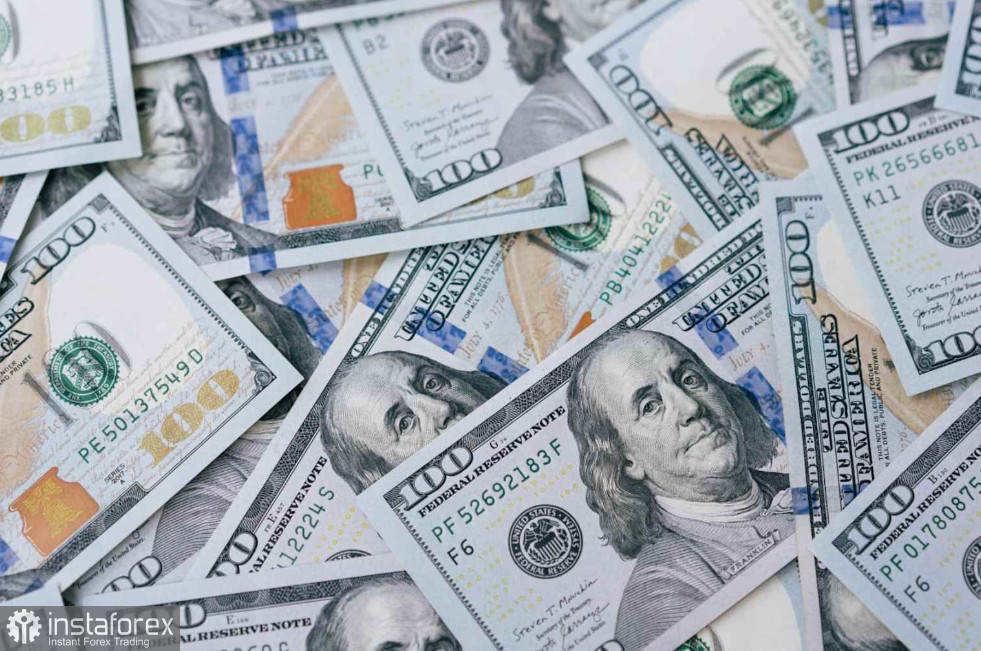
In March, the US dollar noticeably increased its share of international transactions. Its share of SWIFT payments rose to a record 51.1% versus 49.2% in February. The data, published Thursday by the Society for Worldwide Interbank Financial Telecommunication (SWIFT), reaffirm the dollar's status as the world's primary trade currency.
This result is the highest since a methodology revision by the Belgian consortium in 2023. It essentially reflects sustained demand for dollars under heightened uncertainty, especially amid the ongoing US–Iran conflict in the Middle East.
Dollar strength is unfolding against a backdrop of geopolitical turbulence that has been affecting markets since late February, when US and Israeli strikes on Iran triggered a global sell-off in risk assets, a sharp rise in oil prices and a flight to the dollar as a safe haven, according to Bloomberg.
As Bloomberg notes, March currency markets were "extremely volatile." The dollar's one-month implied volatility hit a ten-month high in March, though swings later moderated as investors priced in the possibility of ceasefire talks and reassessed risk scenarios.
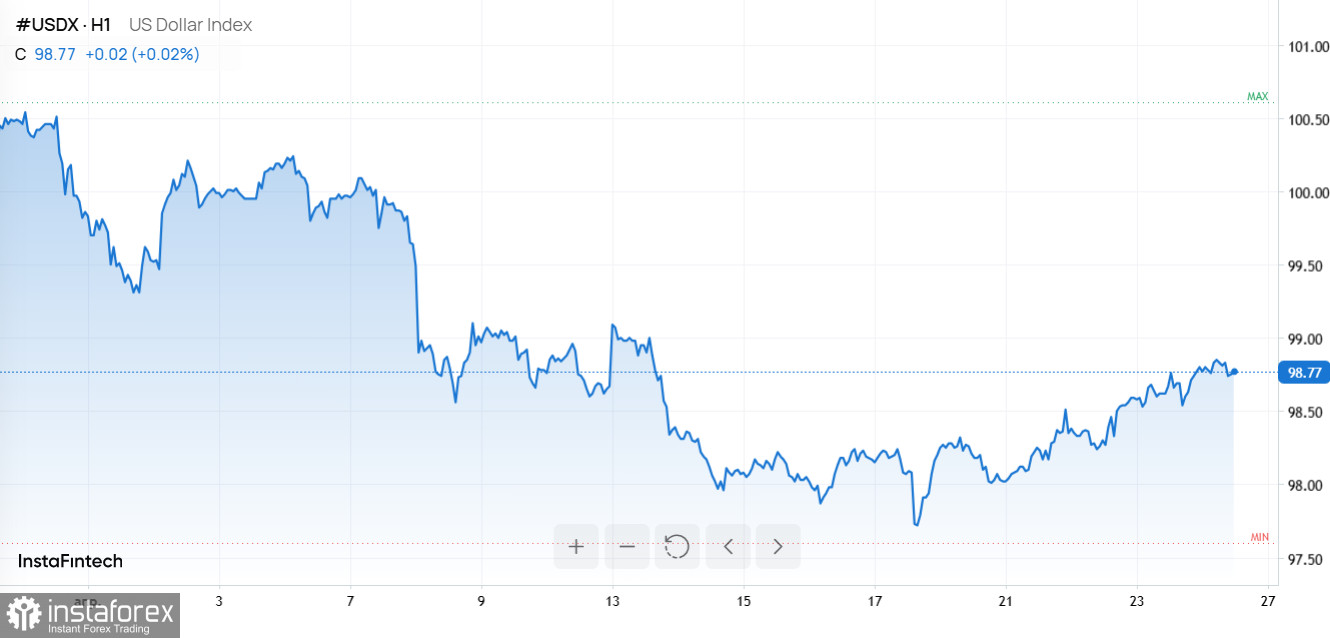
The euro loses share, the yuan rises, but remains below record highs. Against this backdrop, the euro — still the second most used currency in SWIFT transactions — saw its share fall: in March it dipped to roughly 21% from 22.8% in February. Next in share are the British pound, the Japanese yen, the Chinese yuan and the Canadian dollar. The yuan's share of SWIFT flows rose to 3.1% in March but remains below its 2024 peak.
Key takeaways The message is clear: the rise of the USD share in SWIFT to 51.1% signals continued elevated demand for the dollar in international settlements even amid high volatility. The euro's declining share shows capital and payment flows shifting toward the dollar as a relatively more "predictable" asset amid geopolitical risk.
For traders, this dynamic may mean higher FX market activity: with ongoing uncertainty around the Middle East, the dollar is likely to remain in focus, and volatility can create entry opportunities.
Market note: the trading instruments mentioned in the article are available on InstaForex. To avoid missing profitable market moves, open an account on the platform and, for greater convenience, install the mobile app to manage trades anytime, anywhere.
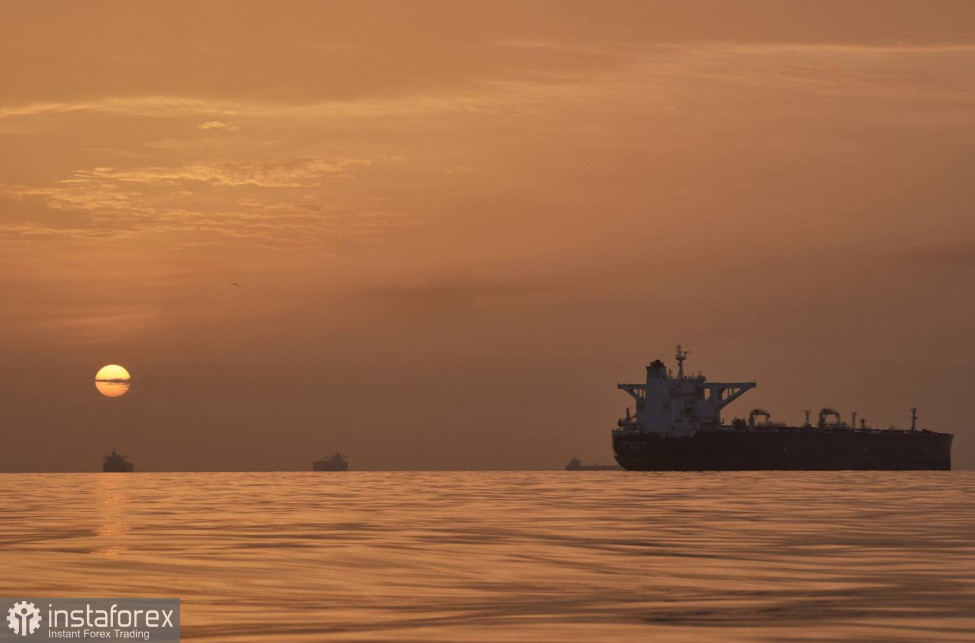
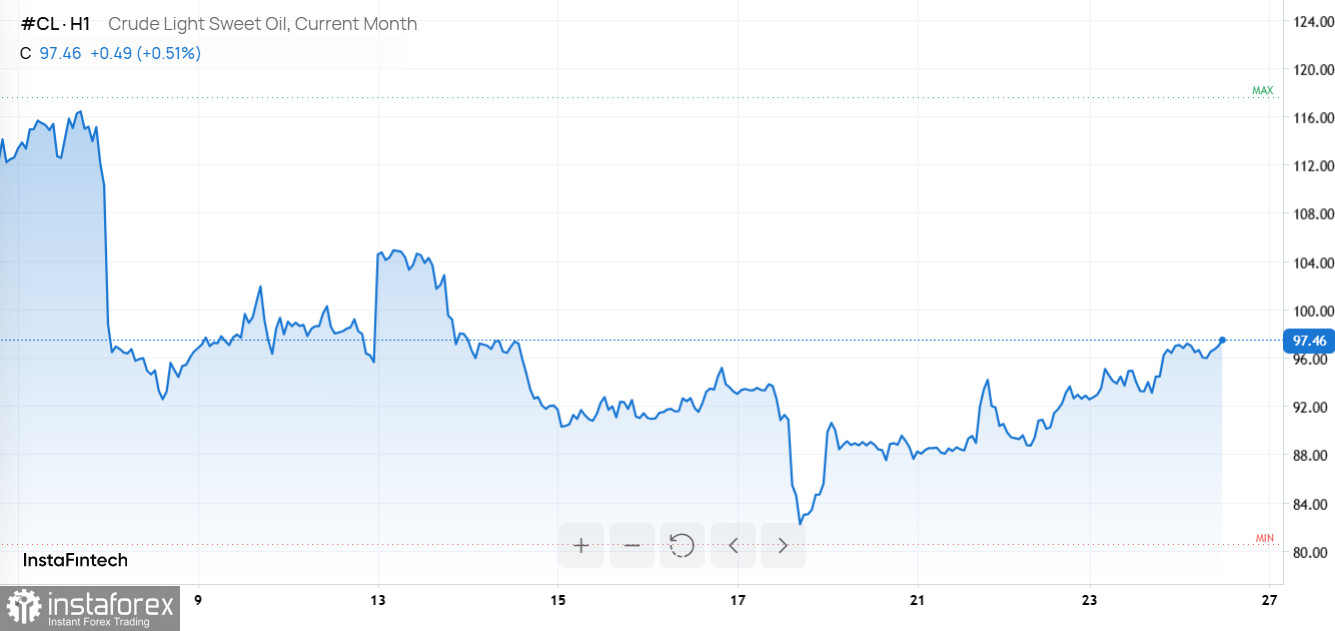
On Friday, oil prices continued to climb: both major benchmarks rose more than 1% amid the de facto halt of commercial navigation through the Strait of Hormuz and the lack of meaningful diplomatic progress between Washington and Tehran.
According to the Economic Times, in early Asian trading, Brent futures rose 1.17% while WTI gained 1.12%. The rally has accelerated over the past few days: on Thursday, Brent jumped more than 3% and closed above $105/bbl.
Reminder: the Strait of Hormuz is one of the world's most important sea routes, previously handling about 20% of daily oil and LNG shipments. The situation deteriorated sharply after Iran closed the strait at the end of February in response to US and Israeli air strikes.
On April 18, Iran reinstated full restrictions after a brief reopening that lasted less than 24 hours. Since then, the strait has been under a regime Tehran describes as "strict management and control" by the armed forces.
Escalation continued this week. On Wednesday, Iran attacked at least three commercial ships in the strait, hours after Trump announced the extension of an open-ended ceasefire with Iran. The US has maintained a naval blockade of Iranian ports.
An Iranian negotiator said Tuesday that restoring navigation through the strait was "unrealistic" amid what he described as "open violations of the ceasefire" by the US and Israel. Trump responded by saying his decisions are keeping the strait closed and arguing that reopening would allow Iran to earn "$500 million a day."
Key conclusions As long as the Strait of Hormuz remains effectively closed to commercial traffic and diplomatic signals fail to reassure the market, oil prices will keep upward momentum.
Traders can exploit the situation by monitoring futures dynamics and price reactions to news on regional restrictions, changes in shipping, and official statements.
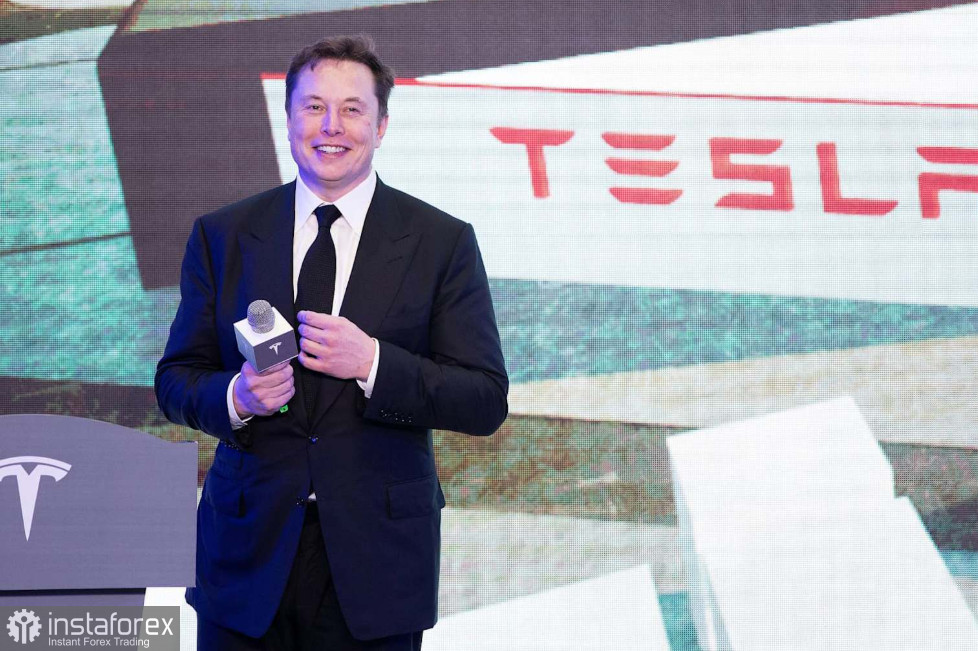
Tesla said on Wednesday that in the first quarter of 2026, it did not change its crypto portfolio: the company retained all 11,509 Bitcoin it held at the start of the period. The automaker recorded an impairment loss of $173 million after taxes. The write-downs were triggered by a decline in the cryptocurrency's price: over the quarter, Bitcoin fell by roughly 22%.
According to the income statement, Tesla made no Bitcoin transactions during the first quarter—there were no purchases or sales of digital assets.
The impairment reflects Bitcoin's price movement: the price fell from about $90,000 at the start of the year to around $68,000 by the end of March. As a result, the carrying value of Tesla's digital assets declined from roughly $1.008 billion to $786 million. The total drop amounted to about $222 million before tax adjustments.
The company treats cryptocurrency as an intangible asset with an indefinite useful life. Valuation is performed at fair value, which is tied to exchange prices.
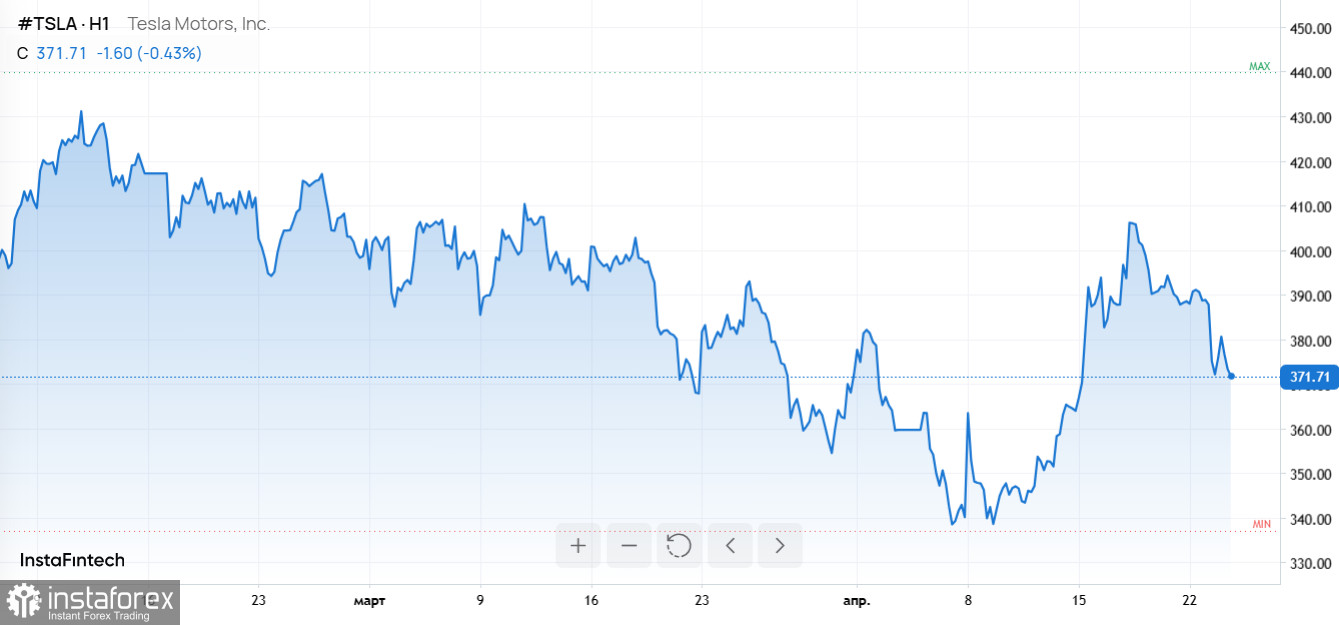
Despite the sizable impairment, it was a relatively small item in Tesla's overall results. For Q1, the company reported revenue of $22.39 billion — up 16% year-on-year. GAAP operating income was $941 million, and free cash flow was $1.44 billion.
Non?GAAP earnings per share, excluding one-offs, were $0.41. That beat analysts' expectations and, according to reports, supported after-hours share gains.
Key takeaways
Tesla confirmed it held steady on Bitcoin in Q1 2026: 11,509 coins remained on the balance sheet, and no trading was needed to reflect market moves in the financials. The drop in the cryptocurrency's price led to a $173 million after-tax impairment — an important reminder of digital?asset volatility and accounting revaluation risk.
Traders may want to watch similar corporate events: changes in the value of Bitcoin held by companies with large holdings often affect short-term market sentiment and can amplify price moves.
According to Bloomberg reporter Mark Gurman, Apple is developing work in six major product directions that could significantly expand its device lineup — from wearables to home automation.
In an interview on the TBPN tech podcast, Gurman consolidated previously published details and outlined the most complete picture to date of the company's hardware plans ahead of a leadership transition.
Gurman singled out a smart home display known in the industry as "HomePad." He believes this device is closest to market launch. The display is expected to have a roughly seven-inch touchscreen and an A18 chip. Significant emphasis is expected on deep integration with Apple Intelligence and Siri.
According to earlier reporting by Gurman, HomePad and several other home products — including an updated Apple TV and HomePod mini — have long been sitting in warehouses, but their release was delayed while updated Siri software was finalized. Current projections put HomePad's likely unveiling at the September iPhone 18 event.
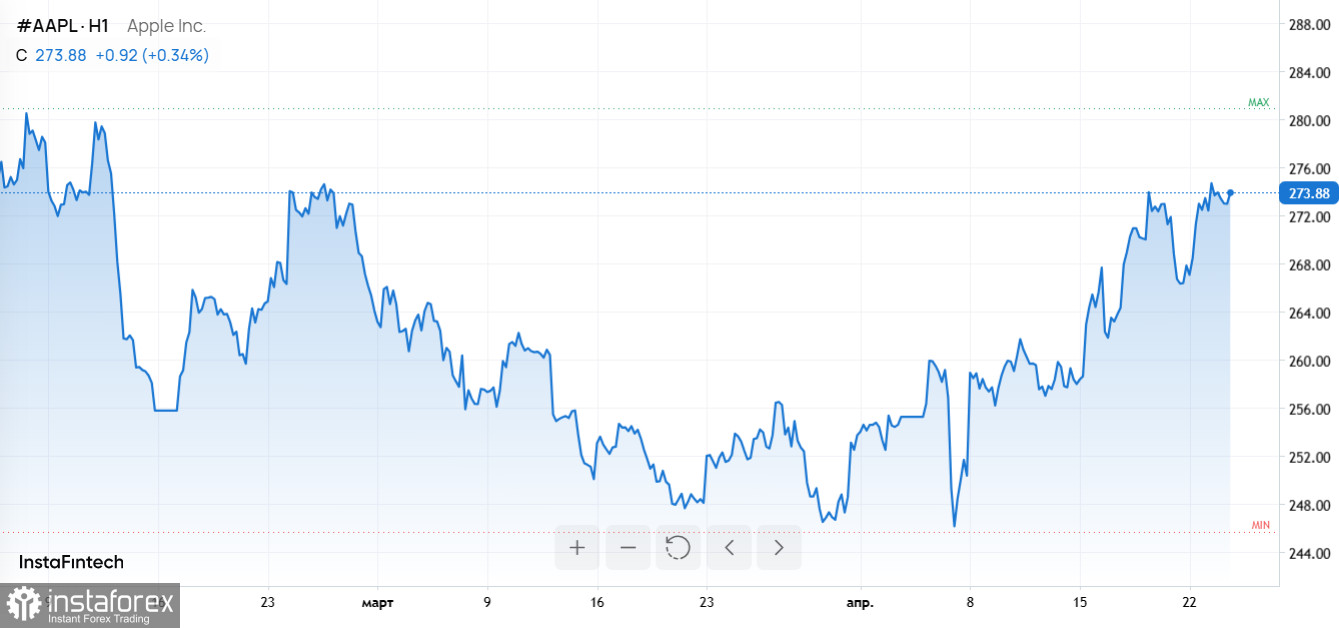
A second major item is a security camera with the internal code name J450. Gurman says its release is planned for this year. The device is described as a small, portable sensor focused on home security, expected to include face recognition and infrared sensors.
The camera is envisioned not only as a surveillance device but also as a component of home automation. Use cases Gurman mentions include turning off lights in empty rooms and playing music tailored to a specific family member.
He also reports Apple may launch a whole line of cameras, possibly including a video doorbell with Face ID.
Key takeaways
The market gets a clear signal: Apple is betting on expanding its ecosystem beyond smartphones and laptops, strengthening smart home and security segments while accelerating wearables and household devices.
HomePad looks like the most likely near?term product launch, and the J450 security camera is one of the key releases "this year" that could set the tone for a broader product line.
If you want to trade on market moves driven by tech sector news, note that the instruments mentioned in the article are available on InstaForex. Open a trading account on the platform, and for greater convenience, download the company's mobile app.
The EUR/USD currency pair may experience much more volatility next week than it
The above content is all about "USD's share in SWIFT hits record, oil accelerates, and Tesla writes down Bitcoin" It was carefully xm-links.compiled and edited by the editor of XM Foreign Exchange. I hope it will be helpful to your trading! Thanks for the support!
Disclaimers: XM Group only provides execution services and access permissions for online trading platforms, and allows individuals to view and/or use the website or the content provided on the website, but has no intention of making any changes or extensions, nor will it change or extend its services and access permissions. All access and usage permissions will be subject to the following terms and conditions: (i) Terms and conditions; (ii) Risk warning; And (iii) a complete disclaimer. Please note that all information provided on the website is for general informational purposes only. In addition, the content of all XM online trading platforms does not constitute, and cannot be used for any unauthorized financial market trading invitations and/or invitations. Financial market transactions pose significant risks to your investment capital.
All materials published on online trading platforms are only intended for educational/informational purposes and do not include or should be considered for financial, investment tax, or trading related consulting and advice, or transaction price records, or any financial product or non invitation related trading offers or invitations.
All content provided by XM and third-party suppliers on this website, including opinions, news, research, analysis, prices, other information, and third-party website links, remains unchanged and is provided as general market commentary rather than investment advice. All materials published on online trading platforms are only for educational/informational purposes and do not include or should be considered as applicable to financial, investment tax, or trading related advice and recommendations, or transaction price records, or any financial product or non invitation related financial offers or invitations. Please ensure that you have read and fully understood the information on XM's non independent investment research tips and risk warnings. For more details, please click here


